

Showing posts with label Richard III. Show all posts
Showing posts with label Richard III. Show all posts
Sunday, 9 November 2014
First edit of book cover!
Tossing this out for feed back and suggestions. Just comment below to let me know what you think, I need to change etc. Very much appreciated! Thank you readers!

Thursday, 6 November 2014
Reminiscing.....
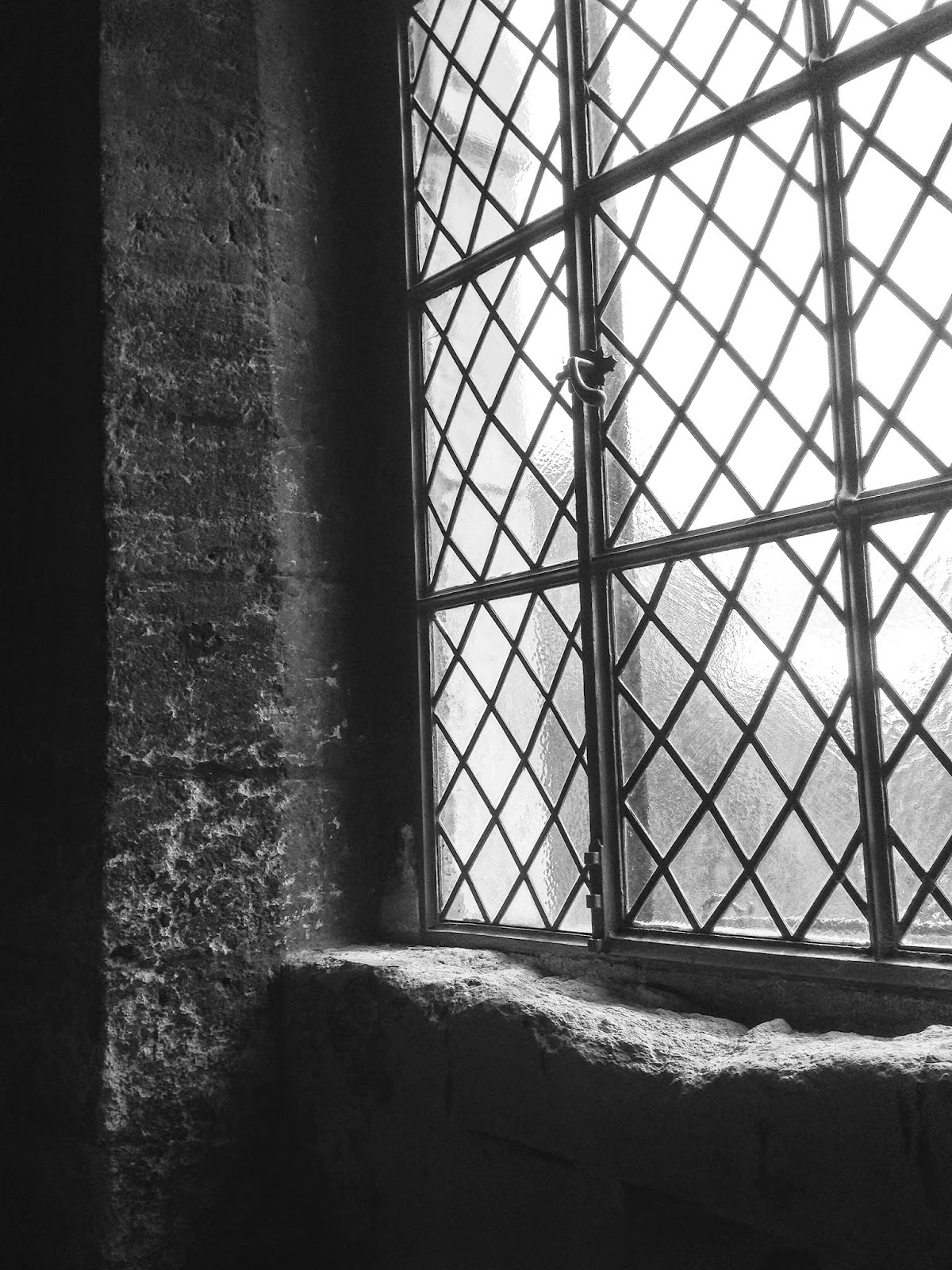 |
| Inside the Tower of London |
So this last week, I have been reading, amongst other
things Markham’s Richard III: His Life & Character. It got my
wheels turning, as to some of his major points he draws on in his chapters
about the princes and what became of them have also been questioned by myself. He also brings up a very interesting
point about the authorship of the many articles that were written about the
incident, as well as many others; including the Croyland Chronicles of London through out his argument. What went on in those author's heads?
He tried not to let the wax from the candle above the
ledge of the writing desk drip to the parchment as he hurried the last few
sentences of the following day’s news. Out of the corner of his eye watching
the wax drip… and drip. People were talking, talking about many things, and the
word needed to get out; Edward IV’s sons were missing. More than likely dead.
He hadn’t heard the word murdered yet from anyone’s lips, but definitely
missing.
His hands shook as he blew the drying sand off the
parchment to help make the ink set and dry faster. King Richard was still in
York. He knew that much, but still there were many unanswered questions. He had
to have known the fate of the children, how could he not.
Nervously, he read over his work, blew out his light
and gave it to the grandmaster.
“I am done with tomorrow’s bit.” He nodded and said, as
he backed away from the elder monk, waiting for criticism or acknowledgement. He
never knew which would come first if any.
“The words, stories, are every where. Where is the
King? He has to know?” He said again.
“Let's hope we know the truth soon, once he returns.
Perhaps this is a misunderstanding, or one of the Lancaster’s plays of folly.” The grandmaster said as he glanced over the article the novice monk gave him. He hoped he didn't have to publish this... or more like wish it wasn't so.....
Folly, or misunderstanding, many of the accounts that
were written whether they were against Richard’s reign or not, many baseless and
not backed up by solid evidence as noted in Markham’s book. Personal prejudices at times, got in the way and
aided the rumors. Will we ever know what happened? We might not but we can for
sure develop a better understanding of the writers who wrote the articles and
their basis for doing so. Markham's book is perhaps one of my favorite sources of the life and time's of Richard III and the world he lived in.
Saturday, 4 October 2014
My Trip to York Minister
Even at sunset its
massive walls captured my breath, as I stood outside. Its grandeur was
captivating.

It wasn’t till the following day I ventured back to its
massive presence, York Minster (Cathedral). After seeing it the night before
with my cousin, I now know why so many speak so highly of it. The outside alone
was just amazing beyond words. Standing
out front of the doors just made the hair on the back of my neck tingle with a familiarity
I cannot describe.
 A bit of history, York Minster is one of Northern Europe’s
largest Cathedrals. Its presence has been noted since the time of Bede. Its
beginnings began as a wooden church in 627 as a place of baptism for Edwin King
of Northumbria, that year. In 637, it
was converted to a stone structure under Oswald of Northumbria and dedicated to
St. Peter. Later in the 8th century and school and a library were
attached to the structure. Various ups and down of the church happened
afterwards, burned by the Danes, fires, the church was rebuilt a number of
times. In 1215, Walter de Grey was made archbishop and ordered the church to be
rebuilt to the likeness of Canterbury. In 1220 building began and in 1420 the
building was considered finished and consecrated.
A bit of history, York Minster is one of Northern Europe’s
largest Cathedrals. Its presence has been noted since the time of Bede. Its
beginnings began as a wooden church in 627 as a place of baptism for Edwin King
of Northumbria, that year. In 637, it
was converted to a stone structure under Oswald of Northumbria and dedicated to
St. Peter. Later in the 8th century and school and a library were
attached to the structure. Various ups and down of the church happened
afterwards, burned by the Danes, fires, the church was rebuilt a number of
times. In 1215, Walter de Grey was made archbishop and ordered the church to be
rebuilt to the likeness of Canterbury. In 1220 building began and in 1420 the
building was considered finished and consecrated. 
Now, on to my little tour.
Of course, I had to pay a bit to go in. Student discount YAY! One thing
I learned on this trip was to never leave home without that ID, I probably
saved around 100 British Sterling total. Overall, I was more than happy to pay
the small sum of sterling they asked and made a small donation, especially
since it went to the buildings upkeep. How did they maintain York Minister? I asked a nice friendly church volunteer and
got a very well informed answer. Well, it was being worked on while I was
there. One of the facades to the west I believe was draped in a green cover and
intricate scaffolding. Stonemasons are
rare these days I was told, so when the church gets wind of some in the area,
work or maintenance is the first order of business to be done on the old stonework
of the building.
Then it was time to explore the inside. By just walking in
to the doors; I cannot tell you all, how massive the sight was and how it
captivated my tired eyes and head. The organ was being warmed up for later in
the day (At times, I believe the organ was made for angels.), visitors were
meandering around at their own pace, and I saw a tour here and there. It was quite
peaceful actually. Various stain-glassed
windows were filtering the sun below making it splatter on to the floor, illuminating
various corners and isles of the minister. One could get lost in there for sure
just taking all the sights and sounds in. Like any student or historian, I went
straight to the catacombs and exhibits that I found and learned what I could in
the short amount of time I had. I had to
run and catch the train in a matter of a few hours.
 |
| Burial of Prince William of Hatfield, Infant son of Edward III |
The catacombs were
underneath the main priory screen in the center of the minister. It was dark, and
had that musty old castle smell, but very impressive. They had a few exhibits
and you could see and the old stones of the original cathedral were left over,
as columns before they were moved the building outwards and larger. There was some
pretty gorgeous wooden furniture, specifically a trunk.

My gaze then shifted upwards. It was a sight I probably will
never forget. The latticework and intricate design and stonework of the celling
were astounding.

Overall York Minister did far more than impress. It blew my
mind away. I know now why Richard III had his son instilled Prince of Wales in
its massive and captivating walls. It was built for a prince, and for a
king. A well-loved king of the north.
A little video I made of the inside:)
Tuesday, 15 July 2014
What to Wear During the War of The Roses
 |
| "The White Queen" |
I have always been a huge costume nut. Great films and shows always are an excellent
source of inspiration for me and anyone to create something fun, and eventually
useful. Back in my college years, "Braveheart" helped me create an early medieval
outfit for one of my medieval studies class, and lots of “Ohhhs and Awwws” from
classmates. Emma Thompson's and Ang Lee's adaptation of Jane Austen's "Sense and Sensibility"
resulted in half a wardrobe filled with Regency period dresses, which all got
worn to various Gaskell’s Balls in the Bay Area. Yet no Mr. Darcy was seen. Le sigh.
Most recent in my period costume film quest, I have
discovered “The White Queen” produced by Starz yet even though not 100%
historically accurate; has inspired pattern makers and costume/period dress
nuts like myself, now to have a reason to make some pretty festive and beautiful frocks. I finally have a use for the pewter crushed
velvet in my sewing fabric stash! YAY! 2014 Night at the Symphony Costume Contest/Event, here I come!
 |
| Elizabeth Woodville |
Back on topic. Dress. It’s the War of the Roses.
Edward IV is trying not to get his supply of cloth cut off from Flanders
and strikes a deal with Burgundy and his sister Margaret of York is escorted by
the Earl Warwick, Richard Neville, to Burgundy for her pending marriage to help
keep this important relationship open, and trade to keep going, despite rising
conflict lurking in the horizon. With
this political backdrop, what did ladies wear, mainly the ladies at court?
Dress during this time was actually quite depended on region.
For example Italy was on its own wavelength in contrast to
the rest of the continent, as seen in paintings during the times. The northern
part of Europe dressed a bit more to climate.
 |
| 15th Cent Italian Dress |
 |
| Patterned fabric of period |
The century began with the gown called “cotehardie” which we refer to as the one with the large bell sleeves and fitted down through the waist. This style faded quickly with introduction of new designs. Gowns were long of course, and trimmed with fur (ermine, mink etc.) on the cuff, around the collar and sometimes the hem. Fabric was available in various dyes at this time.
The darker colors, reds, blues, dark green, blacks with brocades or patterned in artichoke or oak leave patterns; were of significant cost, mainly worn by those who could afford it, meaning the nobility. This style of gown is most known by the name: “houppelandes” which refer to the long flowing dresses of the time.

Garments were displayed or worn with a
style called “slashing” which meant it was opened to reveal an other bit of
clothing underneath, like a kirtle or under gown in contrasting colors (most
common white or black). A chemise was worn close to the skin. As time went on, repairs in sleeves of both
men and women also accentuated this method of style.
Sleeves were mostly cuffed with
matching fur from the color yet could be transferred to other gowns, with
ornamentation on the cuff with jewels or embroidery. Also at times, if fur
wasn’t worn, patterned fabric was used on both collar and cuff, which became
more fashionable later in the century.
So what have I done with all this
wealth of inspiration and creativity? I have put it to some use. I have made
some alterations and adaptations of my own, but here is a glimpse of my current
sewing project. Today, we are lucky, we
have sewing machines, just imagine all this work was done by hand at one point
in time. Headpiece… don’t ask me if I am
going to make a hennin, I am not there yet.
Step one: cutting out the dress:

Detail of the side of the bodice, before I finished bead work.

Where we are at as of Sunday: Black sash, bodice jeweled, sleeves work in progress.

Tuesday, 1 July 2014
Bosworth
The
early morning fog covered the ground like a soft plush blanket. The lush green
grass of the marsh and surrounding fields seemed to be a favorite of the
horses. As they walked the field many
tried to steal a snatch or two. Their
riders weary, pulled their heads up and spurred them lightly forward. Yet they
could sense what was coming soon. Ever so soon as the sun began to rise.
Brakenbury
was quiet for a change. Yet, quiet boisterous the night before at the inn, Richard
thought he would never sleep. Tossing and turning in his room in the inn’s
upper bedroom, sleep never came easy for him away from his normal chambers in
London, and especially now, alone. How he missed Anne. She was not supposed to
die. So many things awaited him back in London. His niece Elizabeth, needed a
marriage and then there was her other sisters. He needed to make their mother
happy. He needed her support, most importantly he needed this usurper, Henry Tudor dead. Of bastard lineage, now
in England to challenge his right to the crown, Richard’s crown.
He
gripped the hilt of his sword. It was cold, even through his leather gloves. He
repeated to himself the words of the priest from the morning mass as he blessed
them all as they prepared for battle. He asked God again to give him strength
and watch out for him. He prayed to his wife Anne to watch out for his soul and
his body if he fell. He tried to push that thought out of his mind, far, far
away.
One
of his commanders called for them all to halt. Banners danced in the air in the
distance. Their colors vibrant against the morning grey sky. He could see the
Welsh banner men struggling against the winds and then the standard of
Tudor. A chill ran down Richard’s spine.
Soon, very soon, everyone’s fate was to be decided.......
c. June 30, 2014 A.C. McMillin
Monday, 24 March 2014
How Kingdoms Were Won: Women of History and Fiction
Anne Neville and
Margery Tyrell

 Behind every great king is his queen. This was a very
important element during both the War of the Roses, and also surprisingly the
novels of Songs of Fire and Ice (Game of Thrones Saga), by George R. R. Martin.
Also many of the characters in contrast to their historical counterparts, all
had surprisingly short life spans. Whether Martin, planned his characters to be
similar to those who were the real players of the War of the Roses, they
defiantly were an influence in his writings. We see this when we look at
Margery Tyrell. Surprisingly, some of
the events of her character’s past, as well as events that she goes through
throughout the stories are quite similar to Richard III’s queen, Anne Neville.
Behind every great king is his queen. This was a very
important element during both the War of the Roses, and also surprisingly the
novels of Songs of Fire and Ice (Game of Thrones Saga), by George R. R. Martin.
Also many of the characters in contrast to their historical counterparts, all
had surprisingly short life spans. Whether Martin, planned his characters to be
similar to those who were the real players of the War of the Roses, they
defiantly were an influence in his writings. We see this when we look at
Margery Tyrell. Surprisingly, some of
the events of her character’s past, as well as events that she goes through
throughout the stories are quite similar to Richard III’s queen, Anne Neville. Anne’s early life is one not known to many. She surprisingly escaped most of the paper trails of the Middle Ages, as we are left with barely a footprint of her existence. But we know she did have quite a role to play in the orchestrating of power moves to help her family gain power and finally access to the throne. Whether she was secretly coveting the throne and the power behind it, we really do not know. But we know about her family the most, especially through her father Earl of Warwick, Richard Neville. Anne more than likely learned quiet a bit even though one may think she was just a pawn to her father’s power moves, but she was gaining power and lands for her family. Thus leading them to become one of the most powerful families in England during the 15th century and the War of the Roses.

If we take a look at Margery Tyrell, she doesn’t have a
powerful father but a very powerful, and sharp grandmother who helps her
achieve her moves to power. A similarity
to take note. We also do not really know
much about her once she is introduced in to the story line, but her ambitions
are very clear. Margery knows, even
after Renly dies, she wants to be the queen of the seven kingdoms and to sit on
the iron throne. We see her impressing the people of Kings Landing, we also see
her befriending people who can help her achieve her desires i.e. Sansa. In an almost charming way, she goes to the poor
people of King’s Landing to give and pass out food, earning their trust in return,
and earning the trust of the Lannisters. Anne did this with her husband with gifts to
the church and by supporting her husband during his affairs in the city York. It was noted by the recorders that they were
well loved in the city because of this.
 Another similarity between the two, both had husbands die
early in their lives. Their first
husbands to be spot on. Noted, Margery
Tyrell in the HBO series "Game of Thrones" is portrayed a bit older than what she is in the
books, but both queens where quite young when they lost their significant
other, and both being in battle.
Another similarity between the two, both had husbands die
early in their lives. Their first
husbands to be spot on. Noted, Margery
Tyrell in the HBO series "Game of Thrones" is portrayed a bit older than what she is in the
books, but both queens where quite young when they lost their significant
other, and both being in battle.
Because we really do not have much to go off of as far as
character for Anne, one can only suspect that she was very knowledgeable of
affiars of state, to be in the station she was in. Margery, as well shows the
tenacity and intelligence even at times more sinister than her future husband, Joffrey
Baratheon, with her power moves and plays to get what she wants. Perhaps Anne also had motives as well. As far as who was devoted to their kings, Anne
would win this card. She was loved and renowned to many, even when she died.
For her husband it was noted, grieved this loss. Margery is a bit more spiteful
and eager and honestly is like a roster in a hen house to get to the iron
throne. In the end, both were players of
the game of power that in the end cause many a demise that we wish didn’t
always have the outcome that it did.
Like I have stated before, “Game of Thrones” is like the “War of Roses,” everybody you end up loving, dies. The York and Lannister houses, knew this all too well, especially during the year 1485.
Like I have stated before, “Game of Thrones” is like the “War of Roses,” everybody you end up loving, dies. The York and Lannister houses, knew this all too well, especially during the year 1485.
Sunday, 16 March 2014
6 feet under… in the Middle Ages
The
fascination of afterlife, and where our souls travel to, once we pass on is a
complex yet colorful visit in the Middle Ages. The society and culture of the
medieval person, both of upper class and peasant were a far stretch from our
secular society of today. Superstition
ran rapid, as well as a belief system that was very intertwined within the
Catholic faith of the period. This directly impacted how and the traditions
behind preparation for death of a loved one, and the ritual of letting them
pass on, such as a funeral. Death was very much apart of medieval life, much
more than today because of this general attitudes towards life and death were
both equally important to the medieval person.


Preparation
as well as how elaborate the celebration of ones life varied from peasant noble
as one would expect. This also changed as time went on as far as what was and
how the events were recorded down. During the 15th Century, documentation
of medieval traditions became widely recorded including funerals of past kings.
The medieval image of death is very well illustrated when looking at the
literature created in the time. Illuminations of vivid and descriptive scenes
of death or dying, ones deathbed, funeral rites all support the fascination of
death and predation to be received by God. Emphasis was also placed in prayers
placed in prayer books such as “Office of the Dead” that the owner would recite
to shorten their time in purgatory. It is not an uncommon assumption to think
that the average medieval man feared death. He feared for the salvation for his
soul, hence the preparation with prayer, and other religious preparations were
an important staple in many lives during this time, and especially in the end.
The last thing any medieval individual wanted was to be stuck in Purgatory, or
end up in Hell. For that fear was a very real one for many and something
everyone worked to avoid during their lives.
We have a
pretty good description of Edward IV’s funeral. His death was unexpected but it
was after an illness of 10 days or so. Some preparations might have taken place
earlier. It’s hard to tell. Edward died April 9th. Before he was
delivered to God’s hands, tradition of a priest was called to the bedside to
read last rights. He was then repented of all his sins, and made a request for
all debts to be paid, and in turn all sacraments were given from the church.
 |
| Edward IV |
The
description of Edward’s funeral we have, is a pretty good description gathering
from Sir Thomas More, whose description is backed up by Mancini’s account of
the event. Both descriptions give very detailed accounts of funeral preparations
of the body, as well as the décor added to the procession, all showing a lavish
display of wealth and royalty. His body was noted to have lain naked on a board
in Westminster Palace, so that both lords both spiritual and temporal could
see. Displaying of the body was done to dispel any rumors that his death did
not really happen. Next, he was embalmed and wrapped in “cerements” of waxed linen
cloth with a cap of estate on his head and his feet were adorned in red leather
shoes. He next “lay in state” for eight days at St. Stephens Cathedral. While
he was there, royal, as well as servants of the community performed requiem
masses and watched him. April 17, his body was placed on a bier, covered with a
large rich golden cloth and carried to Westminster Abbey. In his procession, 15
knights, and esquires accompanied him. Above him was a canopy of clothe fringed
in gold and blue silk, and flanked at the corners by the four banners; Trinity,
Our Lady (Mary?) St. George, and St. Edward, whom he was named after. Mass was
held and he was placed in his resting place.
Richard’s
funeral 1485
Despite what
we have seen through popular media; Richard did more than likely, have some
sort of funeral. Also in preparation for
unexpected death, the mass that was said that Monday morning before his last
battle was to cleanse his soul in case of preparation of death while in battle.
It is important to remember that during this time, England was in a state of
war this was always a possibility. Richard was unfortunately was not the
popular king in the battle. His body was looted, striped naked and paraded to
town draped across the back of a horse like sac of grain. The time frame
between when he was brought to town and actually noticed, I am not sure of but
one of the main reasons why he was rescued by the Grey Friars was because they
were the order in the church that took care of executed and people whom died in
battle.
Looking at the skeletal remains, we know he was tied at the hands.
Reason for the friars not to undo this, might have been one of convenience. His
grave was dug in a central location of their friary chapel and he was laid to
rest more than likely in a sense of urgency. I am sure the though came to someone’s
mind that they had to bury the body quickly due to the display that was prior
to the retrieval of the body. Naked,
with out even a shroud, his body was placed haphazardly in his grave. A pillar was later placed near his tomb in
the chapel, but its existence is long gone due to the monastery being destroyed
under the rule of Henry VIII. In stark contrast, Sir Simon de Montfort whom
also died in battle never received a funeral or a proper burial. He was
quartered and various body parts tossed in a river. Richard got lucky that
someone acted quickly enough to save his body from a similar fate.
Burial
rituals for peasants did happen, but were not as lavish as Edwards. More than
likely close to what Richard experienced. But the bodies after the wake were
placed in the parish’s cemetery and the bodies were wrapped in a shroud. Circumstances
and when and how someone died, definitely impacted how one was brought to St.
Peter’s gates. But the contrast of Edward’s funeral and then Richards’ show the
how easily a basic ritual or custom can be changed to suit the need of the time,
especially in the time of war.
http://www.bl.uk/learning/histcitizen/medieval/death/medievaldeath.html
https://medievalchristianityd.wikispaces.com/Death+and+Burials+in+Medieval+Times
https://www.getty.edu/art/exhibitions/death_middle_ages/index.html
Sunday, 2 March 2014
Books of Art and of Prayer
 |
| "R. Gloucester" before king. |
 |
| Coat of Arms with boars of Richard III |
A book can be a
window to one’s soul. This is one of the reasons for the popularity of prayer
books during the Middle Ages. Prayer was
always supposed to being you closer to God, especially in the Medieval
Christian faith. During the 1400’s manuscripts started to become more available
to the general public, not just the nobility. Because of this, we have more historical
evidence of what was read and circulated during this time, than we do from
previous reigns.
These prayer
books of the Middle Ages were also known as “Book of Hours.” Their use as a
devotional item is this main reason for their prevalence and preservation today.
There are many famous prayer books that have survived for example: Les
Très Riches Heures du duc de Berry, the Visconti Hours, Hours of Catherine of Cleves, and even the personal prayer book of King
Richard III, which has a story of its own. What were these books for? And why
where they so important to the medieval owner?
 |
| A page from Richard III's Book of Hours |
To understand
the importance of these books of prayer, it is important to understand the
impact of religion on society at this time. Life during the 15th
century was nowhere near as secular as it is today. Daily life revolved for both the nobility and
common folk around the church; the Catholic Church. Prayer was said daily, and
many frequented church at least once a day, at times more especially during
Lent. Before a day of battle during war;
mass was said before engaging the enemies, on the battlefield. Because of this, many would being the books
with them to battle or with them on their campaigns to make sure their souls were
cleansed or prepped incase they ended up in Gods hands.
These books were
known as “primers.” They provided the readers or owners a range of personal
prayer to recite as apart of their own daily meditation. Important prayers
included passages from psalms, and collections of the Old Testament. These
texts were grouped together in the books, which we know as the “Hours.”
Examples of some of these included “Office of the Virgin” and “Office of the
Dead” (Source: notes: “Book of Hours” Lecture from England in the Time of Richard III, Future Learn class)
The structure of
the books yet even though many commissioned for the individual, personally did
have a similar structure or layout.
A Calendar
of Church feasts
An excerpt from
each of the four gospels
The Little Office of the Blessed Virgin
Mary
The fifteen Psalms of
Degrees
The seven Penitential Psalms
A Litany of
Saints
An Office for the Dead
The Hours of the Cross
Various other
prayers
These books because
of the period they were produced have paintings inside them, which are very
useful in understanding 15th and 16th century life. It is this reason why they are very popular
with scholars when studying the period. They also are very important in
understanding medieval Christianity. The books were tailored to their owners
such as a man, or lady, and at times their names incorporated into some of the
text and prayers to make it more personal. Also heralds or coat of arms were
incorporated into the book to identify its original owner.
 | |
| The rosary held by Anne, was also an important religious item. |
Today hundreds
survive in England alone. Mainly because
there were a large portion made, and they were produced in large numbers. Being
that they were personal possessions of many, this aided their survival during
the Reformation, yet still a fraction where subject to being discarded and
destroyed with the destruction of the monasteries. They were originally created as original
manuscripts, but later were manufactured in commercial workshops with the
personal details or inserts put in to give personalization for the owner. With the introduction of printing, the books
were printed via woodcut on vellum or parchment and parts were left not
detailed for later imagery and colorization and personalization for the new
owner. Almost majority were composed in
Latin yet some in French and Latin.
“At
day-break on the Monday following there were no chaplains present to perform
Divine service on behalf of king Richard, nor any breakfast prepared to refresh
the flagging spirits of the king; besides which, as it generally stated, in the
morning he declared that during the night he had seen dreadful visions, and had
imagined himself surrounded by a multitude of dæmons. He consequently presented
a countenance which, always attenuated, was on this occasion more livid and
ghastly than usual…” Croyland Chronicle (http://www.r3.org/on-line-library-text-essays/crowland-chronicle/)

 |
| One last prayer (Richard III portrayed by Aneurin Barnard) |
When examining
Richard as a person and his connection to his religion; catholcisum, this
prayer it demonstrates an individual who is devoted, pious, but also isolated
in his individualism. This shows the
importance of prayer in lay people of the later Middle Ages. It also shows us how his individual enemies,
and their intent and actions affected him as a person. His concience in turmoil is directly shown
through his need for personal prayer symbolizing his closeness to his religion
and reasons behind his own personal for forgiveness. This book of Richards’ and its meaning,
offers both insight to the hostility and turmoil of medieval life during the
War of the Roses and the impact of faith on the individual. The prayers against harm from thyne enemies
and need for protection show how unstable English society was at this
time.
After his
untimely death at Bosworth, it was said that Henry Tudor found Richard’s prayer
book in his tent, and gave it to his mother, Margaret Beaufort. She apparently
altered it and wrote her name in it. The
prayer he wrote “praying for deliverance from various forms of affliction,
sickness and danger” was left intact.
Unfortunately, the prayer’s intent and his closeness to his faith that
he hoped would keep him out of harms way, didn’t quite work out that way. It is noted though his faith and hope in God,
did give him the courage to fight until his death.

Duffy, Eamon.
Marking the Hours: English People and Their Prayers 1240-1570 Published
by Library of Congress/Eamon Duffy c. 2006 pp. 100-102 (google ebooks)
Personal notes from “England in the Time of Richard III” course by Future
Learn Nov. 2013.
http://www.medievalhistories.com/book-of-hours-of-richard-iii/
accessed: 2/28/14
http://www.lambethpalacelibrary.org/content/annunciation
accessed: 3/1/14
http://en.wikipedia.org/wiki/Book_of_hours
accessed: 2/28/14
Friday, 28 February 2014

Saturday, 22 February 2014
Wooden Swords, Hobby Horses, and Educating Richard
The
War of the Roses was a war that lasted through many a childhood for children
during the fifteenth century. One child
included was Richard, the son of Richard, Duke of York and his mother Cecily
Neville, a great beauty deemed by many. The family was of high station, but
this didn’t keep the war at bay for the household. Most assume that if your family was well off,
even in the time of war in the Middle Ages, they were spared some of the
hardships associated with war, but that was not the case at all for the
youngest son of York.

Richard was the
last child of Richard and Cecily's. In my research I have found that sources
deter between Cecily having 10 or 11 children, including one child born after
him, which did not survive very long. Infant mortality and mothers others who
gave birth during the Middle Ages, prove over and over, to be a very life
threatening situation. The medieval person, and midwives included, had no
knowledge of disease, germs, how to prevent infection or access to painkillers
or antibiotics if a problem arouse. You could have a fairly smooth delivery but
the risk for infection resulting in “child-bed fever” was exceptionally high due
to lack of preventative hygiene. The
next hurdle for any child who made it past their first year which held its own
mortality rate of 25%, was surviving childhood in where, mortality alone was a 50% survival
rate. Noting, these statistics varied socioeconomically
and demographically as well.
 | |
| The little castle toy (above) would have been a typical toy in the 15th C. |
Richard’s early years were rather turbulent. It’s a surprise to some
that because of the war and conditions, he made it through this time. He definitely did not have a peaceful childhood
like one would hope. Looking at all the experiences he went through, it is very
easy to understand why some would conclude he might have been a bit of a
control freak or a tad insecure in later life. [1] After surviving infancy swaddled and nursed
by a wet nurse, memories he more than likely would not remember suggest that
the chaotic world around him was constantly changing, for good and for
worse. When other children his age where
playing with toys such as kites, spinning-tops, hobby horses or making castles
out of wooden blocks, he was being shuffled around to escape the dangers of war
with his mother. We know from literature
written later in the Middle Ages, primary after 1400’s most children were aware
of their roles in the household at a young age.
But this documentation also stresses the importance of play in the
household. This aspect of play helped
the children learn their duties. Knowing
this, Richard and his siblings might of had little toys similar to what a
knight would have, a wooden sword, a castle with figures where his sisters had
dolls.
But even the aspects and the adventures he might have had during play,
as a child could not prepare him for what was to come. Cecily seems to have been more apart of his
life than most parents during his childhood, more than likely due to war and
the need to keep her sons safe. His father on the other hand, he saw not so
much, it was a relationship that was rather brief, but expected during this
time. At the age of seven during the battle of Ludlow, his father and older
brother Edmund, fled to Ireland escaping pending Lancastrian forces. Richard with his brother George, one of their
sisters, and the Duchess Cecily were all taken as prisoners of war. They were held at Wigmore, and then later
moved to Tunbridge Castle by their mother’s sister whom had married a
Lancastrian husband. His brother Edward (later Edward IV) had fled to Calais.
 |
| A manuscript showing very young children in the care of women. |
Cecily escaped from Tunbridge after a short time and was able to gain
safety for her small children in the chambers of John Paston. Meanwhile, war
waged around them. The adventures of
childhood play more than likely limited because of the war for Richard and his
siblings. Cecily had been called to
London, not two days after they came to the Pastons’ and the children were left
in the care of servants. Edward had returned to London after his victory at
North Hampton. Henry VI was now his prisoner. Due to this time, and on going
war, relations with the immediate family were close and treasured. Because of
this, it is important to recognize the early relationships Richard had as a
child, specifically with Edward. This
closeness that he developed with his older brother is what made him into the
honorable and loyal brother he is noted to have been. The relationship Edward
had with his younger siblings, specifically with Richard was a close one, for
he visited the children almost every day, if possible. Richard probably admired
and looked up to him greatly as he grew older, like a mentor.
In October 1460, Richard’s father Richard, Duke of York and his mother,
and Edmund, Earl of Rutland returned to London. Parliament came to an agreement
and enacted an Act that would make the Duke of York, “Heir-Apparent” and Lord
Protector for the whole duration of Henry’s life. This case was probably not hard at all to
present to Parliament, as Henry had repeated bouts of insanity multiple times
during his reign. Richard, Duke of York
had rights to the throne as well, through his family line that ran down through
second son of Edward III. Henry VI was only related through the third son. This stated that Henry VI could still be on
the throne, but he had to acknowledge that Richard Duke of York was the
“Heir-Apparent.” This didn’t go over well, as Queen Margaret fled with her son
to Scotland in opposition to the decision made by Parliament.
The family spent that winter and Christmas at Baynard’s Castle. It was
apparently the last time Richard saw his father. The Duke and his son Edmund
traveled to Sandal Castle and spent their holidays there. As the festivities of the winter months
continued, so did the threat of ongoing war and unbeknownst to Richard, his
mother Cecily, and the other children, they were to never see their father or
husband, or Edmund their older brother again. On December 31, Richard Duke of
York fell in the battle at Wakefield, with his son Edmund and many of his loyal
knights. The heads of Edmund and the Duke were stuck on different gates of the
city of York. It is noted that the Dukes’ was placed on Micklesgate Bar with a
paper crown, as a form of insult. [2]
News traveled to London about the devastation of the battle of
Wakefield. Duchess Cecily was grief stricken, and terrified for the safety of
her children. Fearing harm would come to
them, she put Richard and George on a boat and sent them to Holland out of
harms way. According to “The History of
Richard III” by George Buck, Richard and his brother George, eventually were
sent to Ulrich, which at the time was the largest and most prestigious city in
Holland. A move perhaps to be near their older sister Margaret whom was married
to Charles the Bold of Burgundy. It was there they received a “Princley and
liberall education.” Richard did not return for a good few years later, by then
he was ready to become a knight.
Notes:
[1] http://www.livescience.com/27625-king-richard-iii-control-freak.html
[2] Markham, Richard III: His
Life & Character Reviewed in Light.
Sources cited:
http://www.representingchildhood.pitt.edu/medieval_child.htm
http://www.the-orb.net/non_spec/missteps/ch6.html
Subscribe to:
Posts (Atom)